
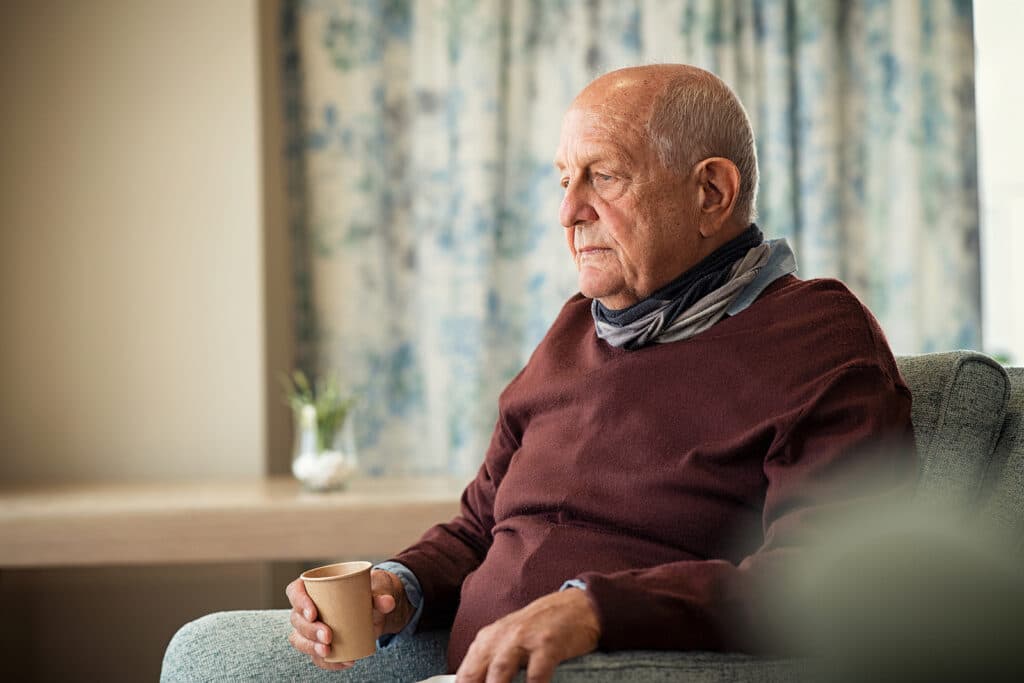
Grief is a deeply personal experience, and for older adults, the loss of a spouse, close friend, sibling, or another important person can affect nearly every part of daily life. While grief is often associated with sadness and emotional pain, it can also influence routines, motivation, appetite, personal hygiene, and the ability to manage everyday responsibilities. During National Grief Awareness Month, families are reminded that seniors may need more than emotional encouragement after a loss. They may also need practical assistance to continue caring for themselves. Personal Care at Home can provide compassionate support that helps seniors maintain dignity, safety, and daily routines while navigating the difficult process of grief.
For adult children, watching a parent struggle after a significant loss can be heartbreaking. Many seniors may not directly ask for help, especially if they have always been independent. They may believe they should be able to manage on their own or may not recognize how much their grief has changed their daily habits. Having additional assistance can help ensure that their physical needs are met while providing the companionship and reassurance they need during an emotionally difficult season.
How Grief Can Affect Daily Routines
Grief does not follow a predictable timeline, and its effects can appear in many different ways. Some seniors continue their routines as a way to cope, while others find that even basic tasks feel overwhelming.
After a major loss, a senior may experience:
- Difficulty maintaining personal hygiene
- Less interest in preparing meals
- Changes in sleeping habits
- Reduced motivation to complete household tasks
- Social withdrawal
- Trouble keeping up with appointments or responsibilities
These changes are not always signs that a senior is unable to live independently. Instead, they may indicate that emotional stress is making everyday activities harder than they were before.
When someone is grieving, tasks that once required little thought can suddenly require significant effort. Getting dressed, preparing breakfast, or taking a shower may feel like unnecessary challenges when a person is struggling emotionally.
The Connection Between Emotional Health and Self-Care
Many people understand the emotional impact of grief but may overlook how closely emotional wellness and physical care are connected.
A senior who is grieving may stop prioritizing their own needs because their focus remains on the person they lost. They may skip meals because cooking feels lonely, avoid social activities because they no longer feel interested, or neglect personal care because it seems less important.
Over time, these changes can affect overall health.
Maintaining regular routines can provide a sense of stability during a period that feels uncertain. Simple activities such as getting dressed each morning, eating balanced meals, and keeping a consistent schedule can help seniors feel more grounded.
Why Personal Care Support Matters During Grief
Personal Care at Home can help seniors continue managing important daily activities while allowing family members to feel more confident about their loved one’s well-being.
Caregivers can assist with personal routines such as:
- Bathing and grooming
- Dressing
- Mobility assistance
- Meal preparation
- Light household tasks
- Encouragement with daily routines
This type of assistance is not about taking away independence. Instead, it helps seniors maintain the abilities they still have while receiving help with tasks that have become more difficult.
For a grieving senior, having a familiar and compassionate presence can also reduce feelings of isolation. A caregiver can provide conversation, encouragement, and a sense of connection during a time when loneliness may feel especially overwhelming.
Recognizing When a Senior May Need Additional Support
Many adult children struggle with knowing when grief has moved beyond normal sadness and is beginning to interfere with daily living. There is no single answer, but certain changes may indicate that additional assistance would be beneficial.
Families may want to pay attention if a senior:
- Frequently skips meals
- Stops bathing or changing clothes regularly
- Withdraws from activities they once enjoyed
- Appears unable to manage household responsibilities
- Seems overwhelmed by basic tasks
- Spends most of the day alone
These signs do not mean a senior is failing or losing independence. They are reminders that grief can create challenges that are easier to manage with the right support.
Helping Seniors Maintain Dignity After Loss
One of the most important aspects of caregiving during grief is respecting a senior’s independence and personal choices.
Older adults often have decades of experience caring for themselves and others. After losing someone important, accepting help may feel uncomfortable or even like an admission that they are struggling.
A thoughtful approach focuses on partnership rather than control.
Caregivers can encourage independence by allowing seniors to participate in their own routines while providing assistance where needed. For example, a caregiver may help prepare a meal while allowing the senior to choose what they would like to eat. They may assist with grooming while encouraging the senior to maintain as much involvement as possible.
This balance helps preserve confidence and self-esteem.
The Importance of Companionship During the Healing Process
Grief can be especially difficult for seniors who have lost the person they shared daily life with. Simple moments that once included another person—morning coffee, conversations, errands, or meals—may suddenly feel empty.
Companionship can provide meaningful emotional benefits.
Having someone available to talk with, share activities with, or simply spend time alongside can help reduce isolation. A caregiver cannot replace the person who was lost, but they can provide a consistent presence during a challenging transition.
For families who cannot be available every day, this connection can provide reassurance that their loved one has someone nearby.
Supporting the Family Caregiver Too
When a parent is grieving, adult children often feel pressure to provide constant emotional and practical support. They may call frequently, visit often, manage household responsibilities, and worry about their parent’s health.
While being involved is valuable, caregiving responsibilities can become overwhelming.
Additional support allows family members to focus on being present emotionally rather than trying to manage every daily task. Instead of every visit being centered around chores and responsibilities, families can spend time talking, sharing memories, and offering comfort.
Moving Forward After Loss
Grief changes over time, but seniors should not have to neglect their own well-being while adjusting to life after a loss. Maintaining healthy routines, staying connected with others, and receiving assistance when needed can make the journey more manageable.
National Grief Awareness Month highlights the importance of recognizing grief in all its forms and understanding how deeply it can affect older adults. A senior who is struggling after a loss may not need someone to take over their life—they may simply need a little help continuing the routines that support their health and independence.
With Personal Care at Home, seniors can receive respectful assistance with daily activities while having the companionship and encouragement they need during a difficult chapter. Supporting both emotional and physical needs allows older adults to continue living with dignity while finding their way forward after loss.
If you or an aging loved one are considering personal care at home in Edmonds, WA please contact the caring staff at Revere Home Care today at (425) 245-5540. Revere Home Care provides compassionate home care in Issaquah, Seattle, Bellevue, Everett, Mercer Island, Tacoma, Shoreline, Sammamish, Redmond, Edmonds and the surrounding area.
